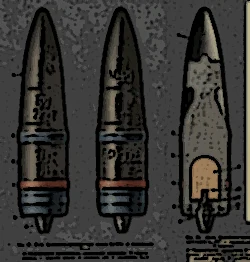
Increased penetrating mass in projectiles increases damage to vehicles.

The twenty equipment modules, and what each one takes away to give you something else. Sixteen of the twenty are trades; three are a straight gain.
Original artwork made for this site — not a screenshot of the game
Increased penetrating mass in projectiles increases damage to vehicles.

Increases the vehicle's resistance to area damage at the cost of direct damage protection.

Through the magic of engineering, we've found a place for additional armor in vehicles. It increases armor.

More powerful artillery autoloaders. They speed up the reloading of artillery cannons, but require more space, which reduces durability.

More versatile automatic loaders. They are also more compact, but less efficient.

The fighting compartment accommodates additional armor dimensions, reducing the space for automatic loaders and weapon loading areas.

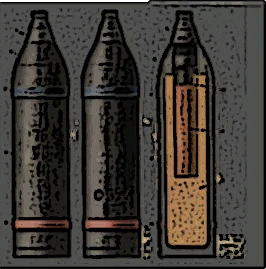
More explosives in shells. More damage to infantry and buildings.

Your shells now carry an incendiary payload that burns the landing site of the shell, at the cost of penetration.

A special fire-resistant layer is built into the soldier's gear. It protects against fires.

Your projectiles now have a gas charge slot. A gas cloud appears in the area of effect, suffocating enemies. The gas can be detonated.

A complex of modifications for living organisms that increases overall survivability. Side effects are present.

Disposable infantry body armor. We do not issue replacements if lost.

If your projectiles contain an incendiary, gas, or toxic charge, their duration and area of effect are increased. Otherwise, this modification is useless.
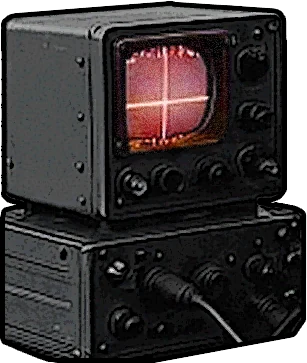
Slightly increases attack range.
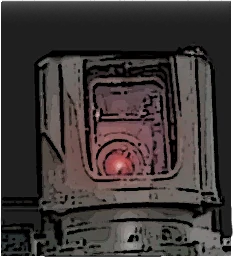
Increases attack range, but requires armor space to place it.

Vehicles receive increased armor in exchange for overall durability.
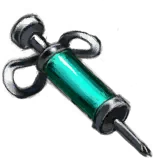
Stimulants for long-distance marches.
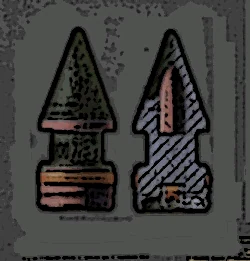
Greatly increases damage to vehicles in exchange for versatility.
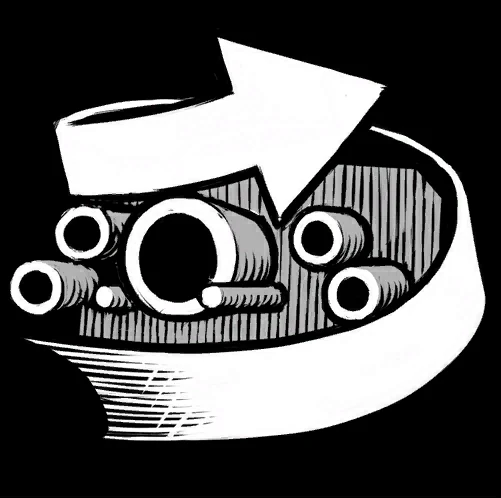
Transfers power from the engine to the turret drive and increases its traverse speed.